Director of the IBD Center, M.D. of Gastroenterology, Satoko Inoue
What is IBD?
Inflammatory bowel disease (IBD) mainly refers to ulcerative colitis and Crohn's disease, both of which are chronic gastrointestinal inflammatory diseases of unknown cause that involve immune abnormalities. Erosions and ulcers frequently occur in the gastrointestinal tract, and the disease undergoes repeated relapses and remissions.
Symptoms include diarrhea, bloody stools, abdominal pain, and fever that can last for several weeks to several months, and Crohn's disease in particular can be complicated by anal lesions such as perianal abscesses and anal fistulas.It is also known that long-term ulcerative colitis cases increase the risk of developing colon cancer.
If the above symptoms persist, an upper and lower gastrointestinal endoscopy or small intestinal endoscopy will be performed to make a diagnosis.
Treatment options include conventional medications such as 5-aminosalicylic acid preparations, steroids, and immunomodulatory thiopurine preparations, as well as the immunosuppressant tacrolimus, biological agents targeting specific substances that cause inflammation (cytokines and adhesion factors), and JAK inhibitors. In recent years, new drugs with different mechanisms of action have been approved one after another, greatly expanding treatment options. As a result, many cases, even severe ones, can now be controlled with medical treatment.
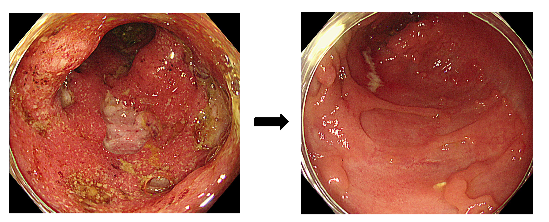
In recent years, the number of IBD patients in Japan has increased significantly. Previously, the disease was most prevalent in people in their teens to 30s, but now, it is not uncommon for ulcerative colitis, especially, to develop in older people. In 2024, our hospital treated 311 patients with ulcerative colitis and 145 patients with Crohn's disease.
IBD Center
IBD is an intractable disease that requires lifelong treatment. In order to enhance IBD treatment, our hospital has been operating as an IBD center since 2024.
As the number of IBD treatment options has increased, it is necessary to use them appropriately, and sometimes expert judgment is required. Our center is certified as a leading facility by the Japanese Society of Inflammatory Bowel Disease, and IBD specialists play a central role in determining the optimal treatment for each individual patient.
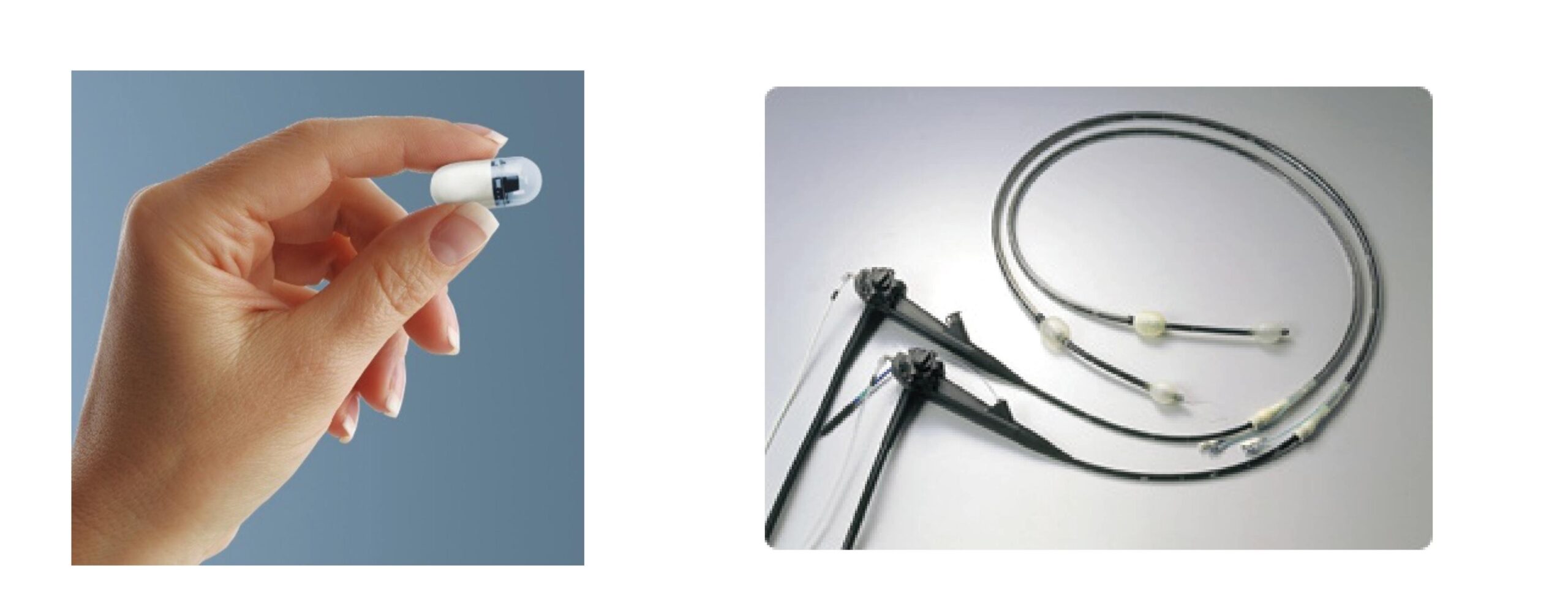
In addition to upper and lower gastrointestinal endoscopy, we also use capsule endoscopy and double-balloon endoscopy (Figure 2) to evaluate small intestinal lesions.
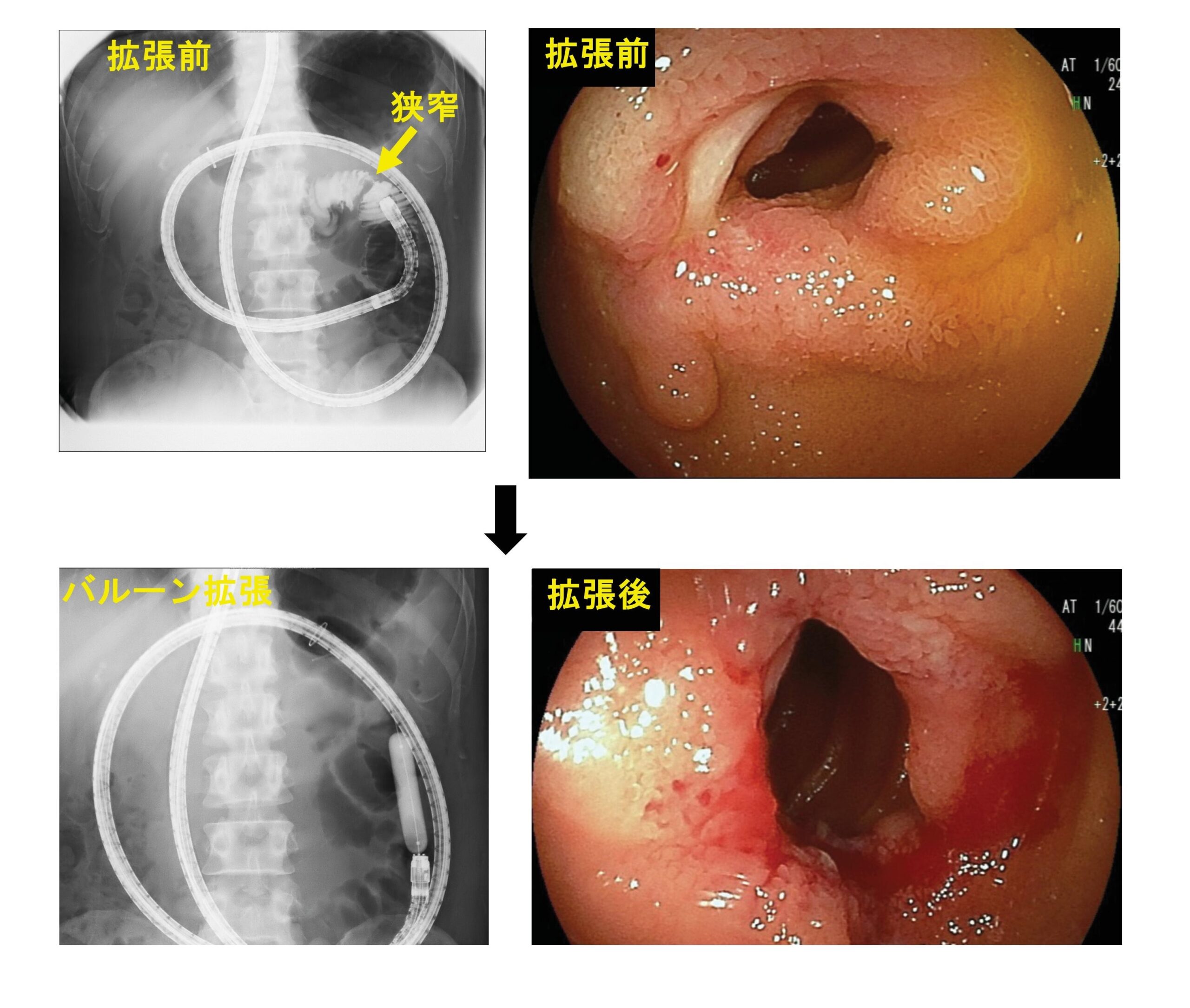
Some patients with Crohn's disease require multiple surgeries due to complications such as intestinal strictures and fistulas. The most common cause of surgery is intestinal strictures, and to avoid surgery whenever possible, our hospital proactively performs endoscopic balloon dilation using double-balloon enteroscopes and other instruments after providing adequate medical treatment (Figure 3). In Crohn's disease patients with stricture symptoms such as abdominal pain and abdominal distension, we performed endoscopic balloon dilation for intestinal strictures at our hospital, and were able to avoid surgery in 52.4% of cases.
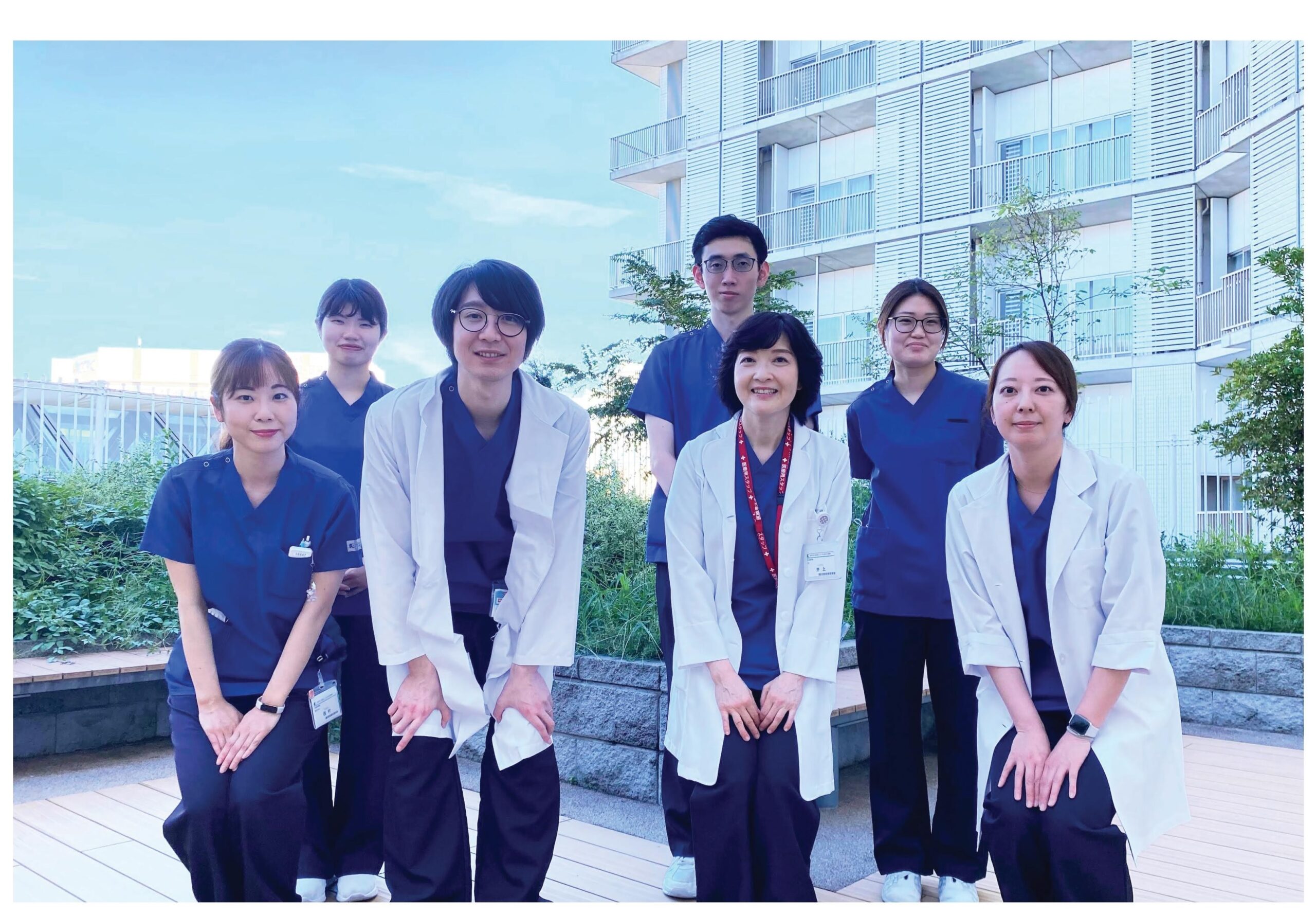
In recent years, advances in medical treatment for IBD have meant that exacerbations requiring hospitalization are rare, and more and more treatments, including complex treatments, are being administered on an outpatient basis. For this reason, our center has established a multidisciplinary support system for IBD patients, even for outpatients. When starting new treatments or self-injections, an IBD pharmacist will provide medication guidance. We also actively provide nutritional guidance from Registered Dietitian, so please let your doctor know if you would like this. For patients who qualify, we will arrange for medical consultations from a social worker.
We are open for IBD outpatient consultations on the days listed below, so if you would like to be examined, please make an appointment through your regular medical institution.
Outpatient days and doctors
Every Tuesday (doctor Inoue) and Friday (doctor Morihisa)
If you have already started treatment at another hospital, please be sure to make an appointment, as your previous treatment history will be important information when considering future treatment plans.
*We do not accept reservations from patients.